KEPCo History
The Cooperatives’ Cooperative
On Feb. 13, 1975, six distribution cooperative visionaries filed the articles of incorporation for Kansas Electric Power Cooperative, Inc. (KEPCo). These cooperatives had a growing concern about the adequacy of long-term power supply to rural Kansas at a reasonable cost. Their mission was to improve the quality, reliability, and affordability of their power supply. The distribution cooperatives formed KEPCo to pool their purchasing power for wholesale electricity. KEPCo was able to provide power, energy, and related services to the six original members at a lower price and better terms than each individual cooperative could obtain on its own from existing power suppliers. Organized as a generation and transmission (G&T) electric cooperative to serve other cooperatives, KEPCo was known as the “cooperatives’ cooperative.”
The six pioneering distribution cooperatives that incorporated KEPCo were C&W Rural Electric Cooperative Association, Inc., Clay Center; Central Kansas Electric Cooperative, Inc., Great Bend; D. S. & O. Rural Electric Cooperative Association, Inc., Solomon; N.C.K. Electric Cooperative, Inc., Belleville; Norton-Decatur Cooperative Electric Company, Inc., Norton; and Radiant Electric Cooperative, Inc., Fredonia. Over the years, KEPCo’s membership evolved as additional distribution cooperatives joined, reaching a peak of 28 members. While a few members have since withdrawn, most changes in membership reflect mergers and consolidations among member cooperatives. Today, KEPCo proudly serves 17 member cooperatives.
Origin Story
For years, a number of Kansas distribution cooperatives had purchased power from Topeka-based Kansas Power and Light Company (KPL). Over time, frustration grew with KPL’s “take it or leave it” approach, presenting contracts without negotiation or discussion of terms. Complaints filed at the Kansas Corporation Commission (KCC) were transferred to the Federal Power Commission (FPC) because they involved wholesale transactions. Without Washington, D.C., legal representation, technical consultants, or the financial means to pursue a lengthy federal case, these cooperatives felt powerless. All they wanted was a fair opportunity to negotiate the terms of their power supply contracts — price, reliability, and other critical issues.
In late 1967, a group of cooperative managers, joined by the manager of Kansas Electric Cooperatives, Inc. (KEC), met in Kansas City with Bill Wise, a D.C.-based attorney experienced in representing cooperatives before the FPC. Wise agreed to review their situation, estimate the potential litigation costs, and answer their questions. Following that meeting, the group retained him to represent their case against KPL before the FPC.
As the meeting drew to a close, Wise offered an intriguing suggestion. He noted that cooperatives across the country were facing similar challenges and that many had begun forming G&T cooperatives to advocate for their interests in power supply matters. By joining together, they could pool resources, hire expert counsel and consultants, and negotiate from a position of strength with investor-owned utilities. “Maybe you should consider doing the same,” he said.
The room fell silent. Wise explained further how such an arrangement might work — but the silence remained. Finally, as the meeting ended, he added, “Well, think about it. You can’t do it quickly enough for this case anyway.”
Following that meeting, KEC began exploring the formation of a G&T cooperative power supplier to serve distribution cooperatives in KPL’s service area. In 1971, KEC members expanded that charge to consider a statewide power supply organization and hired a Director of Power Department. Soon after, KEC established a Power and Energy Committee to continue the probe.
That 1967 meeting in Kansas City became the genesis of KEPCo. It sparked the idea of creating a cooperative power supplier dedicated to securing a reliable and affordable power supply and delivering valuable programs and services for its member cooperatives. In 1975, that idea became reality.
KEC Power and Energy Committee
At its inception, KEPCo operated as a single entity with KEC, the statewide rural electric cooperative association. In 1973, KEC formed the Power and Energy Committee to identify long-term solutions to the growing power supply challenges in eastern Kansas. The committee concluded that the most effective approach was to create a statewide G&T cooperative.
In August 1973, the committee presented a plan to the KEC Board calling for a five-year financial commitment to investigate potential power resources and establish a sustainable power supply program. The board approved the plan.
From the beginning, it was recognized that KEC could not serve as both the statewide association and the power supply entity. The plan, therefore, envisioned creating a new statewide power supplier and dissolving the committee, transferring all assets and liabilities to the new entity. That new entity became KEPCo. Charles Ross, who served as KEC’s Executive Vice President, was selected as KEPCo’s first Executive Vice President, and Howard L. Sell, Manager of Radiant Electric Cooperative, was elected as the first President of KEPCo’s Board of Trustees.
Shortly after the formation of KEPCo, KEC’s Power and Energy Committee dissolved. In January 1978, KEPCo and KEC officially became separate, parallel corporations under common management, and in March 1980, KEPCo and KEC discontinued common management, with Ross remaining as KEPCo’s Executive Vice President.
Early Power Supply
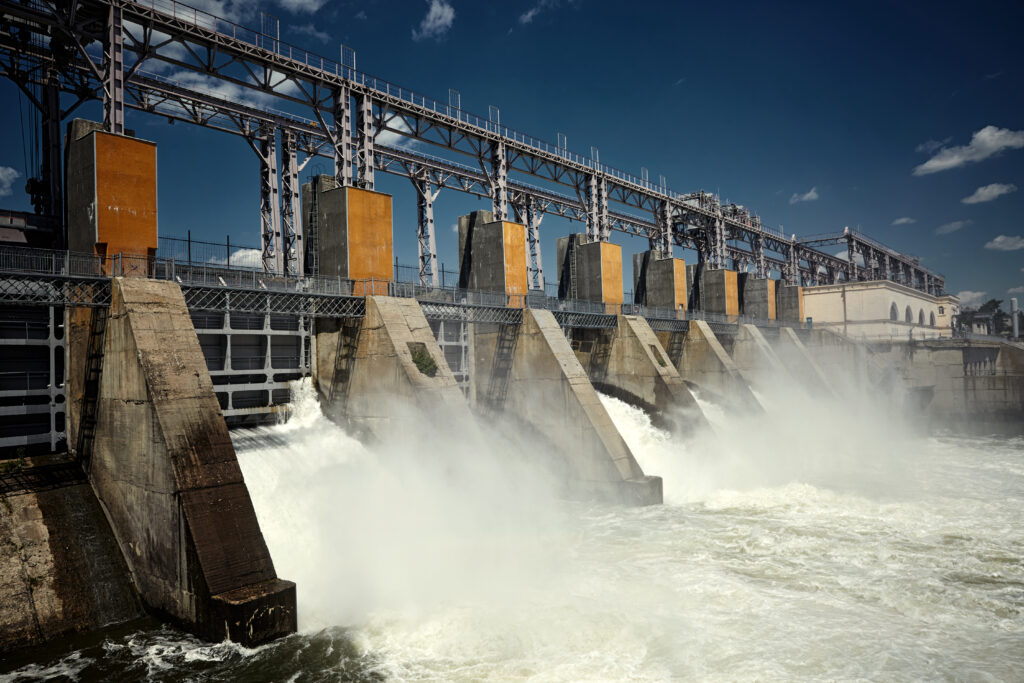
While KEPCo was still taking shape, the KEC Power and Energy Committee sought to secure hydropower from the Southwestern Power Administration (SWPA). At the time, Kansas preference customers — public power entities and cooperatives — had never benefitted from federally produced, low-cost hydropower, nor was Kansas included in SWPA’s five-state marketing area.
The committee lobbied for Kansas’ inclusion with the help of both U.S. Senators from Kansas and the Assistant Secretary of the Department of the Interior — himself a Kansan — who oversaw the Federal Power Marketing Agencies. Their persistence paid off. Kansas became the sixth state included in SWPA’s marketing area, paving the way for a 90-megawatt (MW) allocation of affordable hydro peaking power — a resource that remains part of KEPCo’s power supply portfolio today.
From Hydropower to Nuclear Energy
Securing the SWPA hydropower allocation came with three conditions:
- A contracting entity had to be formally established.
- A firm baseload power source had to be available to complement the hydro peaking power.
- Transmission access had to exist to move the hydropower from near Carthage, Missouri, into the Kansas cooperatives’ service areas.
The creation of KEPCo satisfied the first condition, and the cooperative quickly arranged for baseload capacity to meet the second. But the third, transmission access, presented a difficult roadblock. At that time, investor-owned utilities owned nearly all the transmission in eastern Kansas, and open access was not yet a requirement. The solution to securing transmission access came in the unlikely form of nuclear energy.
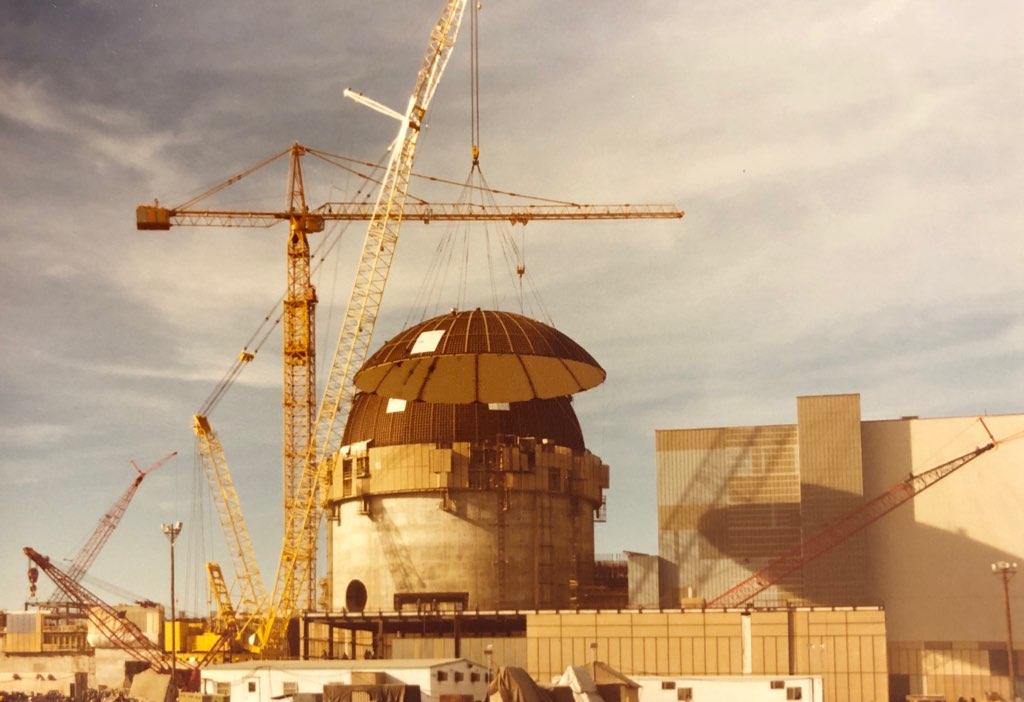
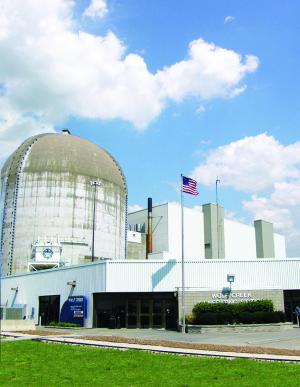
KEPCo had filed a federal antitrust lawsuit against Kansas Gas and Electric Company (KGE) and Kansas City Power & Light Company (KCPL), seeking “meaningful access” to their transmission systems. Around that same time, KGE and KCPL announced plans to build a nuclear power plant near Burlington, Kansas — what would become Wolf Creek Generating Station (Wolf Creek). Under the Atomic Energy Act of 1954, any entity constructing a nuclear plant was required to offer nonprofit, consumer-owned utilities a chance to participate in ownership. The offer was extended to KEPCo.
Initially, KEPCo accepted an 8% ownership interest. When several municipal electric utilities later declined participation, KEPCo agreed to assume their 9% share, increasing its total ownership to 17%. This included 60 MW designated for Sunflower Electric Power Corporation (Sunflower), a G&T serving eight western Kansas cooperatives. As part of the agreement, KEPCo agreed to transfer 30 MW of its 90-MW SWPA hydropower allocation to Sunflower.
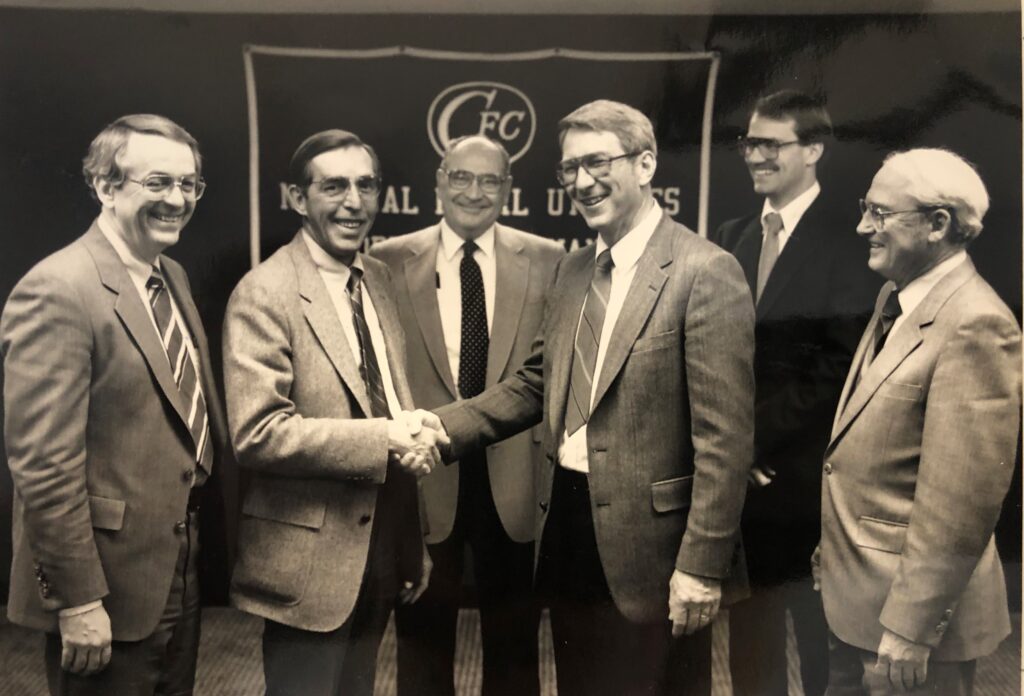
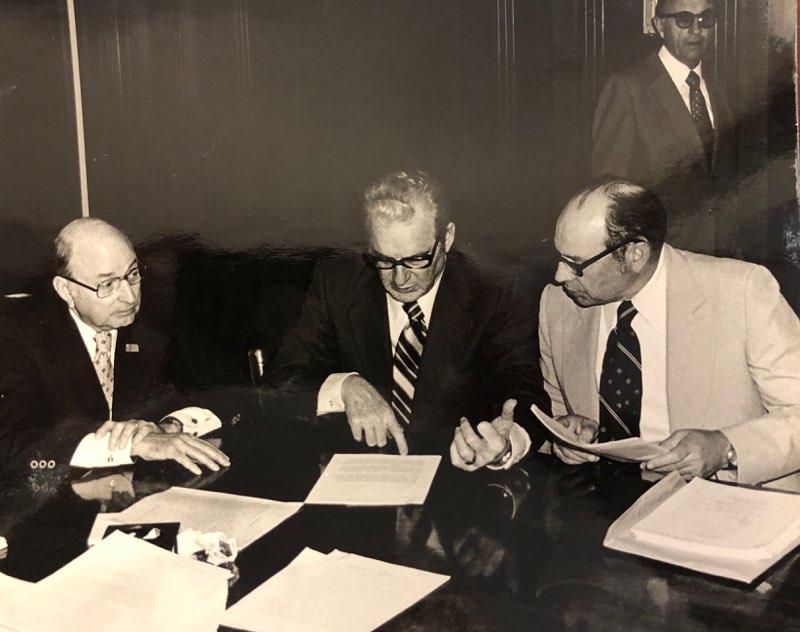
Charles B. Gill, CFC Governor, congratulates KEPCo Board President Alvin Zwick, upon the completion of signing the Wolf Creek Generating Station refinancing documents.
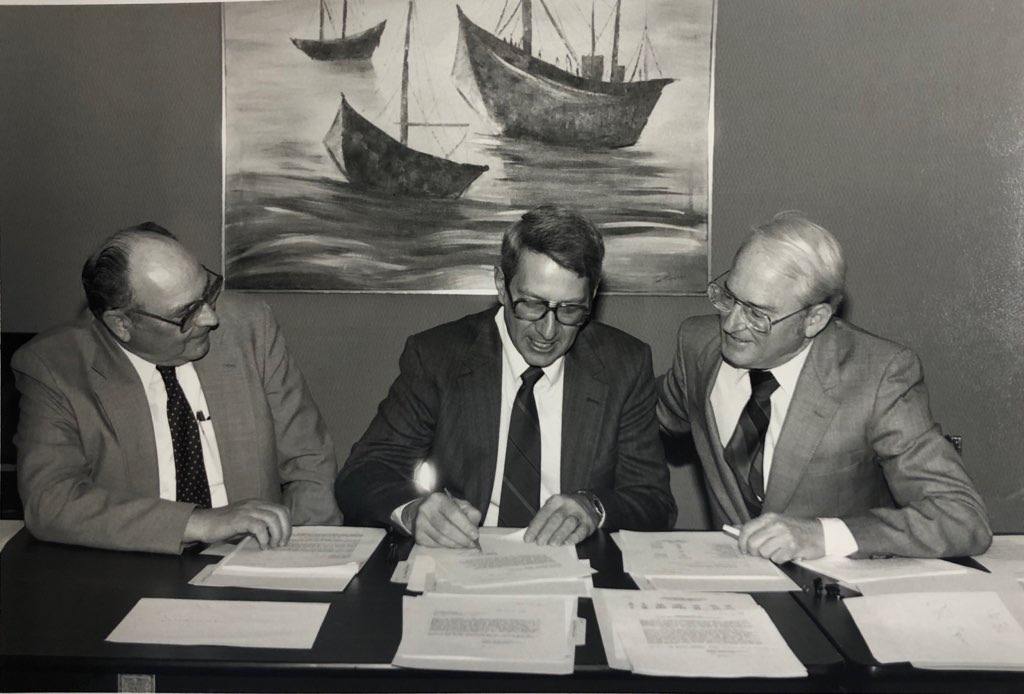
In April 1979, after months of intense negotiations, KEPCo signed the Wolf Creek ownership contracts alongside KGE and KCPL. The agreement secured not only KEPCo’s ownership stake in the nuclear plant, but also transmission access for its hydropower resources — fulfilling the final requirement for KEPCo’s participation in SWPA’s program and resolving the antitrust litigation. KEPCo’s ownership in Wolf Creek thus became pivotal in ensuring rural Kansans could benefit from low-cost hydropower, reliable nuclear generation, and transmission access.
Sunflower decided to build its own 300-MW coal-fired plant, Holcomb Station, to meet its power needs and withdrew from the Wolf Creek project. KEPCo’s ownership share was adjusted to 6% based on the amount of financing available to KEPCo from the Rural Electrification Administration (now the USDA’s Rural Utilities Service) and its hydropower allocation was restored to the full 90 MW. Later, KEPCo’s SWPA allocation increased to 100 MW, along with an additional 13 MW of hydropower from the Western Area Power Administration (WAPA).
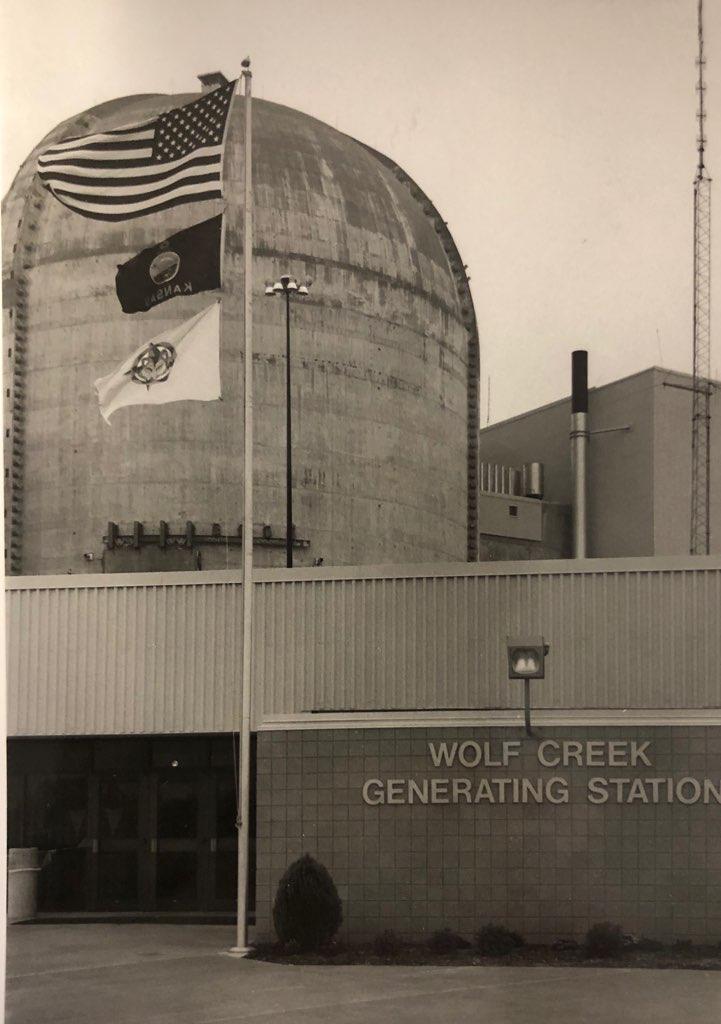
An early photo of Wolf Creek Generating Station
Regulatory Approvals
In October 1980, KEPCo was granted a limited certificate of convenience and necessity by the KCC to transact business as a G&T public utility. At that time, all aspects of KEPCo’s operations were regulated by the KCC.
In March 1985, the Nuclear Regulatory Commission (NRC) issued a 40-year license to Wolf Creek Nuclear Operating Corporation for the operation of Wolf Creek, marking the beginning of fuel loading. The plant began commercial operation in September 1985.
In October 2006, Wolf Creek applied for renewal and extension of its operating license. The NRC granted the 20-year extension in November 2008, authorizing operation through 2045.
Hitting Our Stride
Throughout the 1990s, KEPCo continued its core mission to procure an adequate and reliable power supply for its distribution cooperative members at a reasonable cost. This was achieved through a balanced mix of owned generation, long- and short-term power purchase agreements, and strategic partnerships for co-ownership of generation resources depending on KEPCo’s load requirements at the time.
Strong fiscal management enabled KEPCo to record positive equity for the first time in April 1995, allowing the allocation of $4.5 million in capital credits to its members. Less than two years later, in January 1997, KEPCo returned capital credits in cash for the first time. As of year-end 2024, KEPCo has allocated more than $100 million in capital credits and distributed over $9 million in cash to its members.
As a member services organization, KEPCo provided technical and engineering support in areas such as metering, power quality, financial forecasting, and delivery point reliability. Over time, the members expressed a growing interest in additional engineering programs and services delivered by a trusted cooperative partner rather than investing individually in the necessary personnel, equipment, and expertise or hiring outside consultants.
In response, the KEPCo Board of Trustees established KEPCo Services, Inc. (KSI) in June 1997 to develop and offer new, non-traditional programs and engineering-related consulting services to member and non-member cooperatives on a fee-for-service basis. KSI operates as a wholly owned, for-profit subsidiary of KEPCo with its own board of directors.
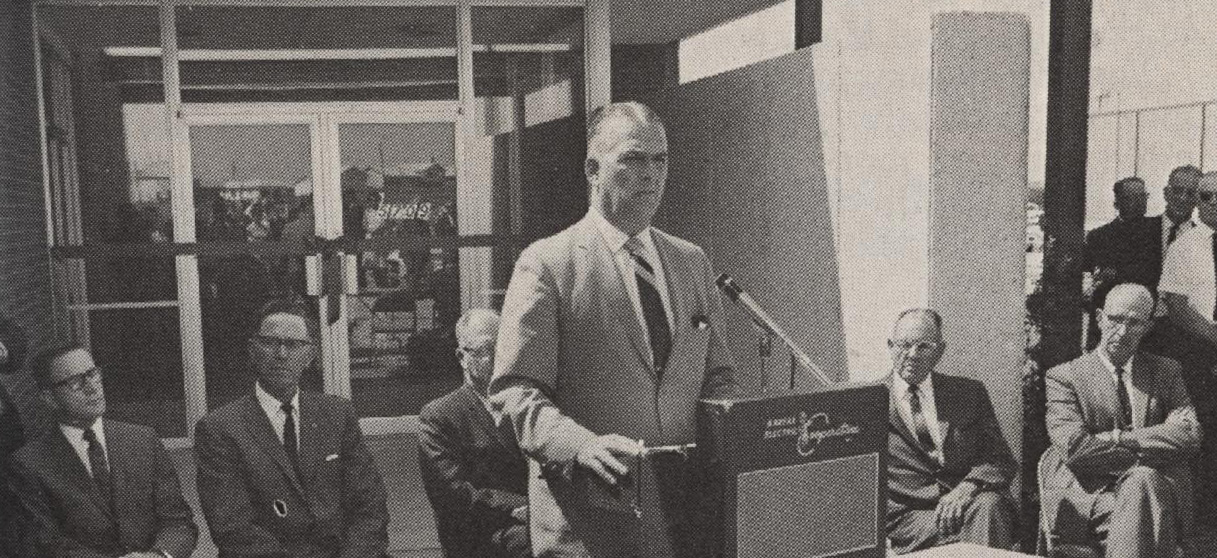
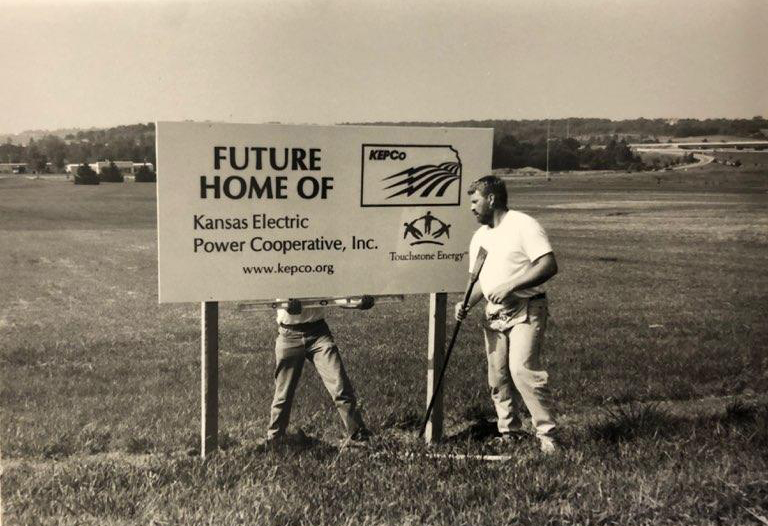
As the decade drew to a close, KEPCo’s Board approved the construction of a new headquarters. Up to this point, KEPCo had officed in shared or leased spaces that no longer met its growing needs. A groundbreaking ceremony was held on July 15, 1999, at the site in the Corporate Meadows Office Park near Sixth Street and Wanamaker Road in Topeka, attended by nearly 100 people. On March 27, 2000, KEPCo employees officially moved into the completed building. A ribbon-cutting ceremony followed in May, with Kansas Governor Bill Graves in attendance to help dedicate the new facility. The decision to build a permanent headquarters not only established KEPCo’s first lasting home, but it also symbolized the board’s commitment to investing in KEPCo’s future.
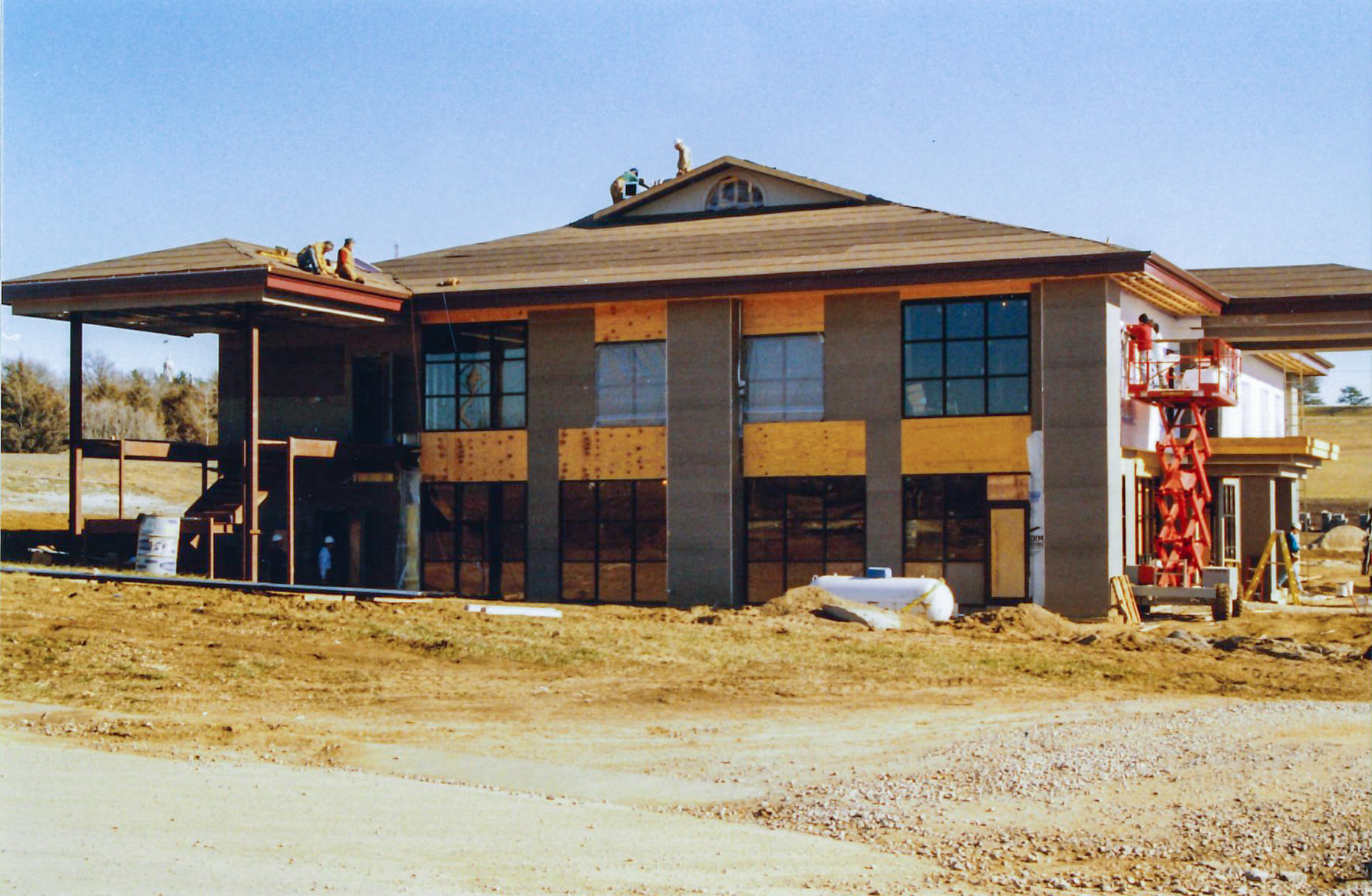
Construction of the new KEPCo headquarters began in July 1999
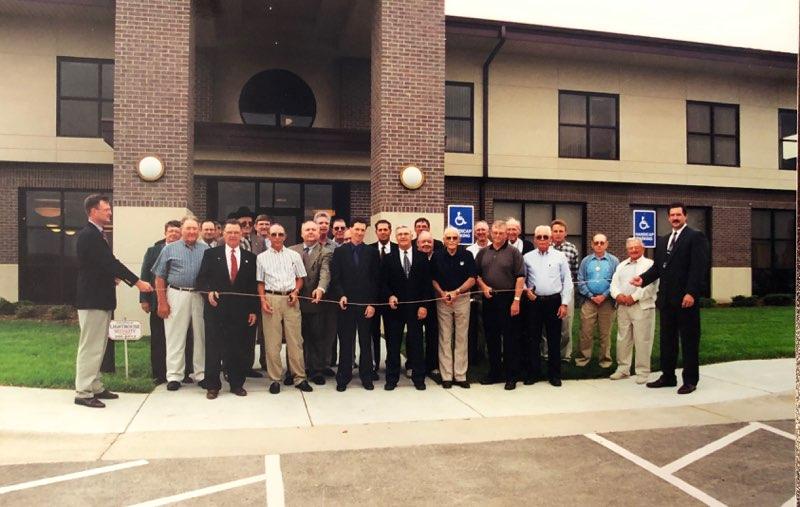
Board members for KEPCo held a ribbon cutting ceremony to celebrate the opening of the new headquarters.
Powering The Next Generation
The years that followed brought a variety of new and replacement power supply resources. Many of these decisions were made amid regulatory and economic uncertainty caused by climate concerns, volatile fuel prices, a shortage of wholesale generation, and the broader financial impacts of the U.S. housing market collapse.
Despite these challenges affecting the U.S. and global economies, KEPCo’s ability to access affordable capital through its cooperative lending partners, such as USDA’s Rural Utilities Service (RUS) and the National Rural Utilities Cooperative Finance Corporation (CFC), helped insulate KEPCo and its members from hardships faced by many in the energy and other sectors. Continuous access to affordable capital has been instrumental in maintaining rate stability for KEPCo’s members.
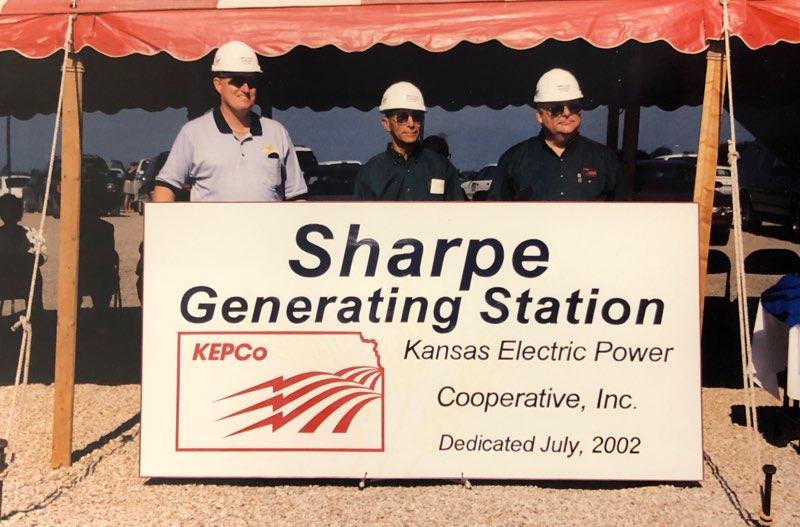
As KEPCo engaged in power supply planning, it balanced market opportunities with the construction or acquisition of generation facilities to meet member needs, continuing to diversify its power supply portfolio.
In October 2001, KEPCo’s Board approved the purchase of 10 2-MW Caterpillar diesel generators. Known as Sharpe Generating Station, the units serve as capacity reserves and are registered in the Southwest Power Pool (SPP) Integrated Marketplace (IM). The units are also used as an alternate source of power to Wolf Creek under certain conditions. Sharpe began commercial operation in June 2002.
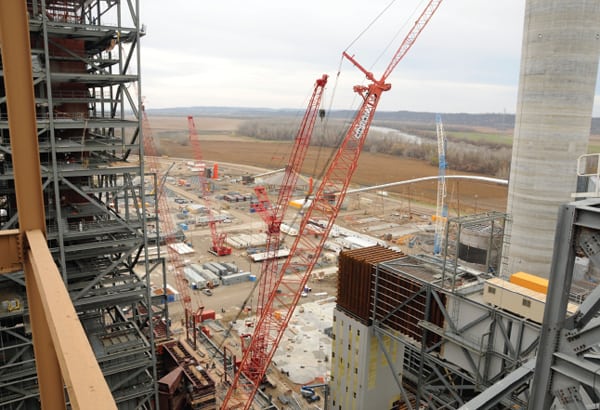
In May 2006, following a comprehensive resource planning process, KEPCo acquired a 30-MW ownership interest in Iatan 2, an 850-MW high-efficiency, supercritical coal-fired generating facility. With state-of-the-art emission controls, Iatan 2 is among the nation’s most efficient and clean coal units. It began commercial operation in 2010. KEPCo’s participation helped stabilize its power supply and reduce member exposure to high and volatile market-based electricity prices. In 2012, Iatan 2 was recognized as the nation’s most efficient coal-fired power plant, receiving the Power Plant Operational Excellence & Stewardship Award from GP Strategies.
In 2007, KEPCo entered into a long-term power supply agreement with Westar Energy (Westar) and a five-year bridge purchase agreement with KCPL while Iatan 2 was under construction. The cost-based formula rate agreement with Westar was approved by the Federal Energy Regulatory Commission, successor to the FPA, in August 2009, securing a stable and economic power supply for the next four decades.
KEPCo extended its 13-MW hydro allocation with WAPA in October 2009 and extended the contract again in May 2014 through 2054. In September 2012, KEPCo extended its 100-MW hydro allocation with SWPA until 2031.
In March 2014, KEPCo and Westar modified the cost-based formula rate agreement to accommodate the implementation of the SPP IM.
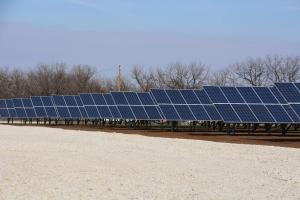
In 2016, KEPCo’s Board unanimously approved the addition of Prairie Sky Solar Farm. Designed and engineered by KSI, Prairie Sky is a 1-MW fixed-tilt axis solar facility that became operational in February 2017, further diversifying KEPCo’s energy mix.
As part of its resource planning process, KEPCo promotes energy efficiency and conservation by offering incentives to members’ retail consumer-members for installing energy-efficient appliances and systems and manages a robust load management program to help members reduce peak demand.
Additional Significant Milestones in the Life of KEPCo
In 2006, KEPCo extended member contracts through 2045, aligning with Wolf Creek’s license extension. Approved by RUS on Aug. 4, 2006, this extension was essential to KEPCo’s continued strength and long-term stability.
In July 2008, RUS approved an addendum allowing KEPCo’s members to self-supply up to 5% of their peak capacity and energy requirements through distributed generation. A decade later, in April 2018, RUS approved another addendum increasing the self-supply amount to 10%, plus an additional 5% for solar distributed generation.
In 2009, KEPCo’s Board voted unanimously to deregulate from the KCC’s ratemaking jurisdiction. In October of that year, KEPCo’s rates were officially deregulated from the KCC’s regulatory oversight and are set by KEPCo’s Board. The KCC retains jurisdiction over such areas as service territory, certain power sales, wire stringing, transmission line siting, and practices related to underground utility facilities.
To allow revenue flexibility in extreme circumstances, KEPCo developed the Margin Stabilization Adjustment (MSA) Rider, enabling the board to issue credits or surcharges when margins deviate from required levels. With RUS approval, the MSA Rider became effective Dec. 31, 2011. Through year-end 2024, KEPCo has provided nearly $176 million in MSA credits to its members.
In June 2014, KEPCo restructured and refinanced its original Wolf Creek debt, aligning repayment with the plant’s extended license through 2045. The restructuring resulted in a cumulative wholesale rate reduction of approximately 5%.
KEPCo Today and Looking Ahead
KEPCo remains headquartered in Topeka, where its 24 employees manage day-to-day operations to ensure the delivery of safe, reliable, and affordable power and energy to its 17 electric distribution cooperative members. Collectively, KEPCo’s members serve more than 77,000 consumer-members, representing nearly 200,000 rural Kansans across two-thirds of the state.
Beyond power supply, KEPCo provides programs and services including rural economic development, appliance rebates, load and power cost forecasting, system enhancements, load management, and IT services. Through KSI, KEPCo also offers technical and engineering consulting services to both member and non-member cooperatives.
KEPCo is governed by a 17-member board of trustees, which elects a seven-member Executive Committee consisting of a president, vice president, secretary, treasurer, and three additional members.
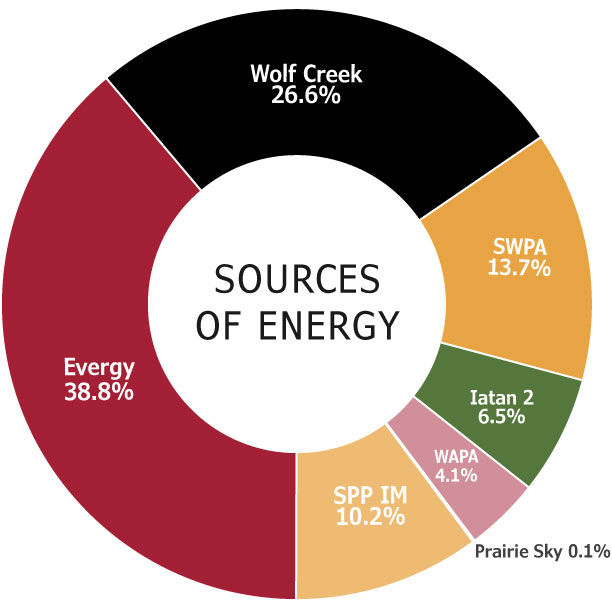
Today, KEPCo’s power supply resources include 70 MW from Wolf Creek, 30 MW from Iatan 2, 20 MW from Sharpe Generating Station, 100 MW of peaking and supplemental hydropower from SWPA, 13 MW of firm hydropower from WAPA, and 1 MW from Prairie Sky Solar Farm. Remaining requirements are met through power purchase agreements.
KEPCo remains steadfast in its mission to provide safe, reliable, and affordable power supply and is committed to providing exceptional support and innovative services to meet its members’ evolving needs.
Where are They Now?
In 1975, Kansas Electric Power Cooperative, Inc. (KEPCo) was incorporated by six original member distribution cooperatives to form a new generation and transmission cooperative. Over the years, KEPCo’s membership evolved as additional distribution cooperatives joined, reaching a peak of 28 members. While a few members have since withdrawn, most changes in membership reflect mergers and consolidations among member cooperatives. Today, KEPCo proudly serves 17 member cooperatives.
The six original member distribution cooperatives are C&W Rural Electric Cooperative Association, Inc. (C&W), Clay Center; Central Kansas Electric Cooperative, Inc. (Central Kansas Electric), Great Bend; D. S. & O. Rural Electric Cooperative Association, Inc. (D. S. & O.), Solomon; N.C.K. Electric Cooperative, Inc. (N.C.K.), Belleville; Norton-Decatur Cooperative Electric Company, Inc. (Norton-Decatur), Norton; and Radiant Electric Cooperative, Inc. (Radiant), Fredonia.
- C&W and P. R. and W. Electric Cooperative Association, Inc., Wamego, consolidated in 1999 to become Bluestem Electric Cooperative, Inc.
- Central Kansas Electric finalized its purchase of Central Kansas Power Company, an investor-owned utility in Hays, in 1981, and was renamed Midwest Energy, Inc. Midwest Energy withdrew from membership in 1982.
- D. S. & O. merged with Smoky Valley Electric Cooperative Association, Inc., Lindsborg, in 1991, with D. S. & O. as the surviving entity. D. S. & O. was renamed DSO Electric Cooperative, Inc. in 2021.
- N.C.K.; Jewell-Mitchell Cooperative Electric Company, Inc., Mankato; and Smoky Hill Electric Cooperative Association, Inc., Ellsworth; consolidated in 2002 to become Rolling Hills Electric Cooperative, Inc.
- Norton-Decatur merged with Northwest Kansas Electric Cooperative Association, Inc., Bird City, in 1997, and was renamed Prairie Land Electric Cooperative, Inc.
- Radiant and Lyon-Coffey Electric Cooperative, Inc., Lebo, consolidated in 2020 to become 4 Rivers Electric Cooperative, Inc.
KEPCo’s Leadership Through the Years
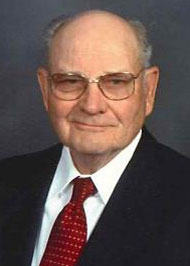
Charles Ross
February 1975 to April 1988
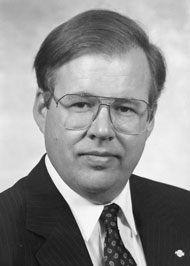
Charles Terrill
May 1988 to May 1995
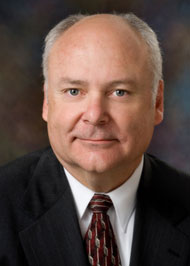
Stephen E. Parr
March 1996 to February 2013
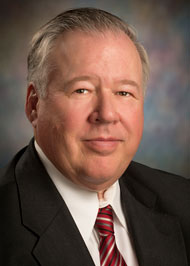
Charles Terrill (interim)
March 2013 to December 2014

Marcus Harris
December 2014 to February 2018
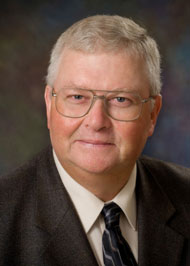
Ken Maginley (interim)
March 2018 to September 2018

Suzanne Lane
October 2018 to March 2024
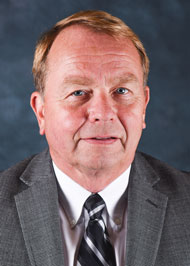
Steven O. Foss (interim)
March 2024 to January 2025
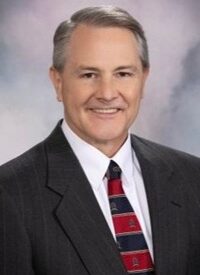
Kevin Noblet
January 2025 to Present